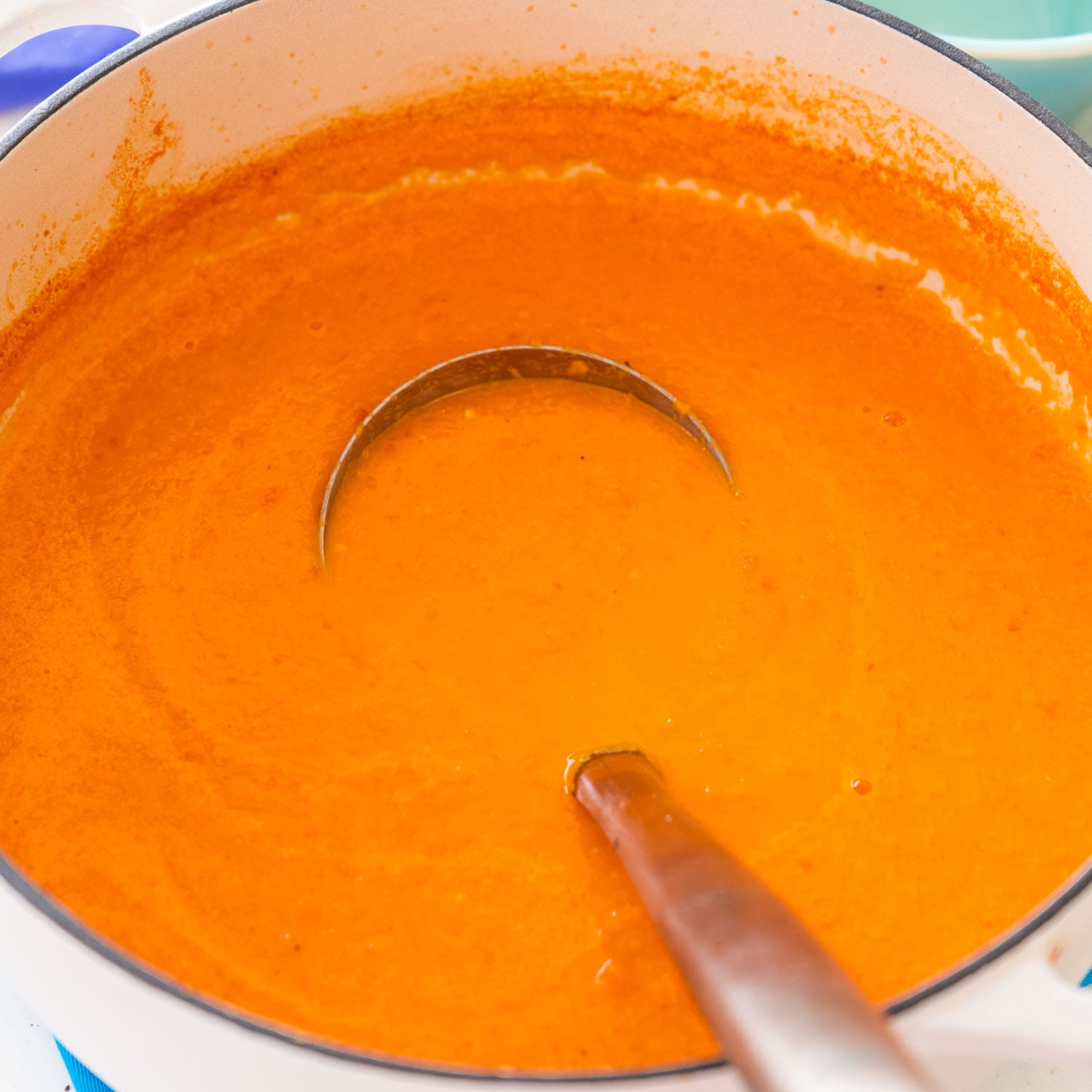
There are few culinary comforts quite as universally cherished as a bowl of warm, velvety tomato soup. It’s a dish that transcends seasons, evoking feelings of nostalgia and coziness with every spoonful. But not all tomato soups are created equal. To achieve that extraordinary depth of flavor and luscious, creamy texture, discerning cooks turn to a particular star of the produce aisle: the Roma tomato. Often overlooked in favor of flashier varieties, Roma tomatoes hold the secret to unlocking a truly exquisite creamy Roma tomato soup that will redefine your expectations.
This isn't just about blending tomatoes; it's about understanding the nuances of ingredient selection and cooking techniques that transform simple elements into a symphony of taste. From hand-picking the perfect fruit to masterfully balancing aromatics and achieving that silky-smooth finish, we're diving deep into the art and science behind a truly unforgettable creamy Roma tomato soup. Prepare to discover the secrets that will elevate your homemade soup from good to absolutely glorious.
The Foundation of Flavor: Why Roma Tomatoes Reign Supreme for Velvety Soup
When crafting a soup designed for exceptional richness and a smooth mouthfeel, the choice of tomato is paramount. This is where Roma tomatoes shine, offering a distinct advantage over their rounder, juicier counterparts. Known affectionately as plum tomatoes, Romas boast a unique set of characteristics that make them the ideal candidate for a creamy Roma tomato soup:
- Thick, Meaty Flesh: Unlike many varieties that are primarily water and seeds, Romas are packed with dense, succulent flesh. This higher pulp-to-liquid ratio contributes directly to the soup's body and reduces the need for excessive cooking time to achieve concentration.
- Low Seed Count: Fewer seeds mean less bitterness and a smoother finished product. The small number of seeds in Romas ensures that you spend less time straining and more time enjoying that pristine, velvety texture.
- Vibrant, Balanced Flavor: Romas possess a natural sweetness balanced by a mild acidity, developing a robust, true tomato flavor when cooked. This inherent balance minimizes the need for significant sugar or acid adjustments later in the cooking process.
- Naturally Thicker Consistency: Their dense structure breaks down beautifully during cooking, creating a naturally thicker base without requiring heavy reliance on flour or cornstarch. This allows the pure tomato essence to shine through.
These attributes mean that Roma tomatoes aren't just an ingredient; they're the architectural blueprint for a soup that is inherently rich, smooth, and bursting with authentic tomato taste. While other tomatoes might offer a fresh, bright flavor for a raw salad, Romas are built for the transformation that heat brings, deepening their sugars and developing complex umami notes essential for a truly comforting soup.
The Art of Selection: Picking the Perfect Roma Tomatoes for Unrivaled Taste
The journey to an extraordinary creamy Roma tomato soup begins long before you even turn on the stove. It starts with selecting the perfect fruit, as the ripeness of your Roma tomatoes directly dictates the flavor and texture of your finished dish. A tomato that's too green will infuse your soup with an unwanted tartness and watery consistency, while an overripe one can introduce bitterness and a mushy quality. Aim for peak ripeness, and your soup will reward you with a balanced sweetness and robust tomato essence.
Here’s how to become a master tomato selector:
Color is Key
- Deep, Uniform Red: A ripe Roma tomato should boast a vibrant, deep red hue, extending evenly across its surface, right up to the stem area. Avoid any tomatoes with green patches, which signify underripeness.
- Avoid Discoloration: Steer clear of any tomatoes showing signs of pale spots, blotches, or excessive yellowing, as these can indicate uneven ripening or spoilage.
The Gentle Squeeze Test
- Slight Yield: A perfectly ripe Roma will give ever so slightly under gentle pressure. It shouldn't feel rock-hard, but it also shouldn't be squishy or soft to the point of bruising. This delicate balance indicates juicy, tender flesh.
- Firmness for Integrity: Avoid tomatoes that are overly firm, as they will likely be underripe and lack flavor. Conversely, excessively soft tomatoes are past their prime and can introduce undesirable textures.
Trust Your Senses: The Aroma Test
- Sweet, Earthy Fragrance: Don't underestimate the power of smell! A truly ripe Roma tomato will emit a fragrant, slightly floral, and sweet earthy aroma when sniffed at the stem end. This inviting scent is a direct indicator of the sugars and acids that will contribute to your soup's rich flavor profile.
- Lack of Aroma = Lack of Flavor: If a tomato smells bland, faint, or has no discernible scent, it's likely underripe and will result in a less flavorful soup.
Visual Inspection and Temperature
- Flawless Skin: Examine the skin for any bruises, cracks, wrinkles, or shriveled areas, all of which are signs of deterioration. A smooth, taut skin is what you're looking for.
- Room Temperature Matters: For optimal flavor and accurate ripeness assessment, select tomatoes that have been stored at room temperature. Cold temperatures can mask their true aroma and flavor profile, making it harder to pick the best ones.
An Expert Tip: Understanding the Brix Scale
While home cooks typically don't carry a Brix meter, understanding this concept can inform your selection. The Brix scale measures the sugar content in fruits and vegetables. Ripe Roma tomatoes ideally have a Brix value between 4.5 and 6.0, indicating a superb balance of sweetness and acidity. For a practical application, look for tomatoes that feel heavy for their size; this density is often correlated with higher sugar content and a richer flavor. Pairing these dense, flavorful Romas with a touch of acidity, such as a splash of quality balsamic vinegar or fresh lemon juice, can further enhance their natural deliciousness in the soup.
For an even deeper dive into perfecting your tomato selection, explore our guide on Unlock Flavor: How to Pick Perfect Roma Tomatoes for Soup.
Beyond the Basics: Elevating Your Soup's Velvety Texture and Depth of Flavor
Once you’ve mastered the art of tomato selection, the next step is to unlock and amplify their inherent deliciousness. Creating a truly creamy Roma tomato soup involves more than just cooking; it’s about strategic layering of flavors and careful technique to achieve that luxurious, velvety texture and profound taste.
The Power of Roasting: A Flavor Game-Changer
While simmering fresh tomatoes is perfectly fine, roasting your Romas before adding them to the soup pot is a secret weapon for unparalleled depth. Roasting caramelizes their natural sugars, intensifying their sweetness and creating complex, smoky, and umami-rich notes through the Maillard reaction. Simply halve your Romas, toss them with olive oil, salt, pepper, and perhaps some fresh garlic cloves or thyme sprigs, then roast until softened and slightly charred at the edges. This step alone will transform your soup's profile.
Building the Aromatic Base
The foundation of any great soup lies in its aromatics. Sautéing finely diced onions (yellow or sweet varieties work best) until translucent and sweet, not browned, extracts their delicate sugars. Adding minced garlic a minute or two before the tomatoes ensures its pungent notes mellow into a fragrant warmth. Consider a touch of carrot or celery, finely diced, to add an extra layer of sweetness and complexity without overpowering the tomato.
Herbs, Spices, and Acidity Balance
- Fresh Herbs: Fresh basil is a classic pairing with tomato. Add it towards the end of cooking to preserve its bright, peppery notes. Thyme, oregano, or a bay leaf can be added earlier to infuse the soup with earthy undertones.
- Spices: A pinch of red pepper flakes can add a subtle warmth, while a dash of smoked paprika can enhance the roasted flavors.
- The Acid Boost: Even perfectly ripe Romas can benefit from a touch of acidity to brighten their flavor. A splash of good quality balsamic vinegar, red wine vinegar, or fresh lemon juice added at the very end can awaken the other flavors and prevent the soup from tasting flat. It's the culinary equivalent of a perfectly placed highlight.
Achieving Velvety Creaminess
The "creamy" in creamy Roma tomato soup is often achieved through the addition of a rich dairy product. Heavy cream is a traditional choice, contributing luxurious body and a smooth mouthfeel. However, you can experiment with other options:
- Half-and-Half or Whole Milk: For a lighter soup that still retains creaminess.
- Coconut Milk: A fantastic dairy-free alternative that adds a subtle tropical note and incredible richness.
- Mascarpone or Crème Fraîche: Stirred in at the very end, these can provide an even silkier texture and a delicate tang.
Remember to add dairy off the heat or just before serving to prevent curdling, especially with lighter options.
The Art of Blending
For that ultra-smooth, velvety consistency, proper blending is essential. An immersion blender is convenient for blending directly in the pot. Alternatively, a high-speed stand blender will yield an incredibly silky texture, but be cautious: hot liquids expand! Blend in batches, filling the blender no more than halfway, and hold the lid firmly with a towel to prevent spills. Blend until absolutely no chunks remain.
Ready to put these secrets into practice? Our comprehensive guide, Easy Homemade Creamy Roma Tomato Soup: Your Go-To Recipe, walks you through every step.
Troubleshooting and Expert Tips for a Flawless Bowl
Even with the best intentions, sometimes a homemade soup might need a little tweak. Here are some common issues and expert tips to ensure your creamy Roma tomato soup is always perfect.
Too Tart?
If your soup tastes too acidic or tart, don't despair. A pinch of sugar (start with a quarter teaspoon and add gradually) can balance the acidity. A tablespoon of butter or a bit more cream stirred in can also mellow the flavors. For a deeper fix, a tiny pinch of baking soda can neutralize excess acid, but use sparingly as too much can create a soapy taste.
Too Bland?
If your soup lacks punch, consider these fixes: a dash of good quality tomato paste (sautéed briefly to deepen its flavor), a splash of Worcestershire sauce or balsamic vinegar for umami, or a touch more salt and freshly ground black pepper. If you skipped roasting, a spoonful of smoked paprika or a concentrated vegetable bouillon cube can add depth.
When Fresh Romas Aren't an Option
If fresh Roma tomatoes are out of season or simply unavailable, don't let that deter you from making a wonderful soup. Canned San Marzano tomatoes are an excellent substitute. These Italian plum tomatoes share many characteristics with Romas: meaty flesh, fewer seeds, and a balanced sweet-acid profile. Look for cans labeled "DOP" (Denominazione di Origine Protetta) to ensure authenticity and quality, guaranteeing they are grown in the designated region of Italy and meet strict standards.
Storage and Reheating
Homemade creamy Roma tomato soup keeps beautifully. Store leftovers in an airtight container in the refrigerator for up to 3-4 days. It also freezes well for up to 3 months; thaw overnight in the fridge. When reheating, do so gently over low heat, stirring frequently, especially if it contains cream, to prevent separation. You might need to add a splash of broth or water to reach the desired consistency.
Serving Suggestions
Elevate your soup experience with thoughtful garnishes:
- A swirl of heavy cream, a dollop of crème fraîche, or a drizzle of good quality olive oil.
- Freshly chopped basil, chives, or parsley.
- Homemade croutons or a sprinkle of grated Parmesan cheese.
- And of course, the ultimate pairing: a crispy, gooey grilled cheese sandwich for dipping.
The journey to a perfect bowl of creamy Roma tomato soup is a delightful exploration of flavor, texture, and technique. By understanding the unique qualities of Roma tomatoes, meticulously selecting the best fruit, and employing thoughtful cooking methods like roasting and careful blending, you unlock a depth of taste and a velvety richness that canned soups can only dream of. This isn't just a recipe; it's an invitation to create a truly comforting, satisfying, and unforgettable culinary experience in your own kitchen. Embrace these secrets, and you'll soon be enjoying a homemade classic that warms the soul and tantalizes the taste buds, proving that the best comforts are often the ones made with care.
