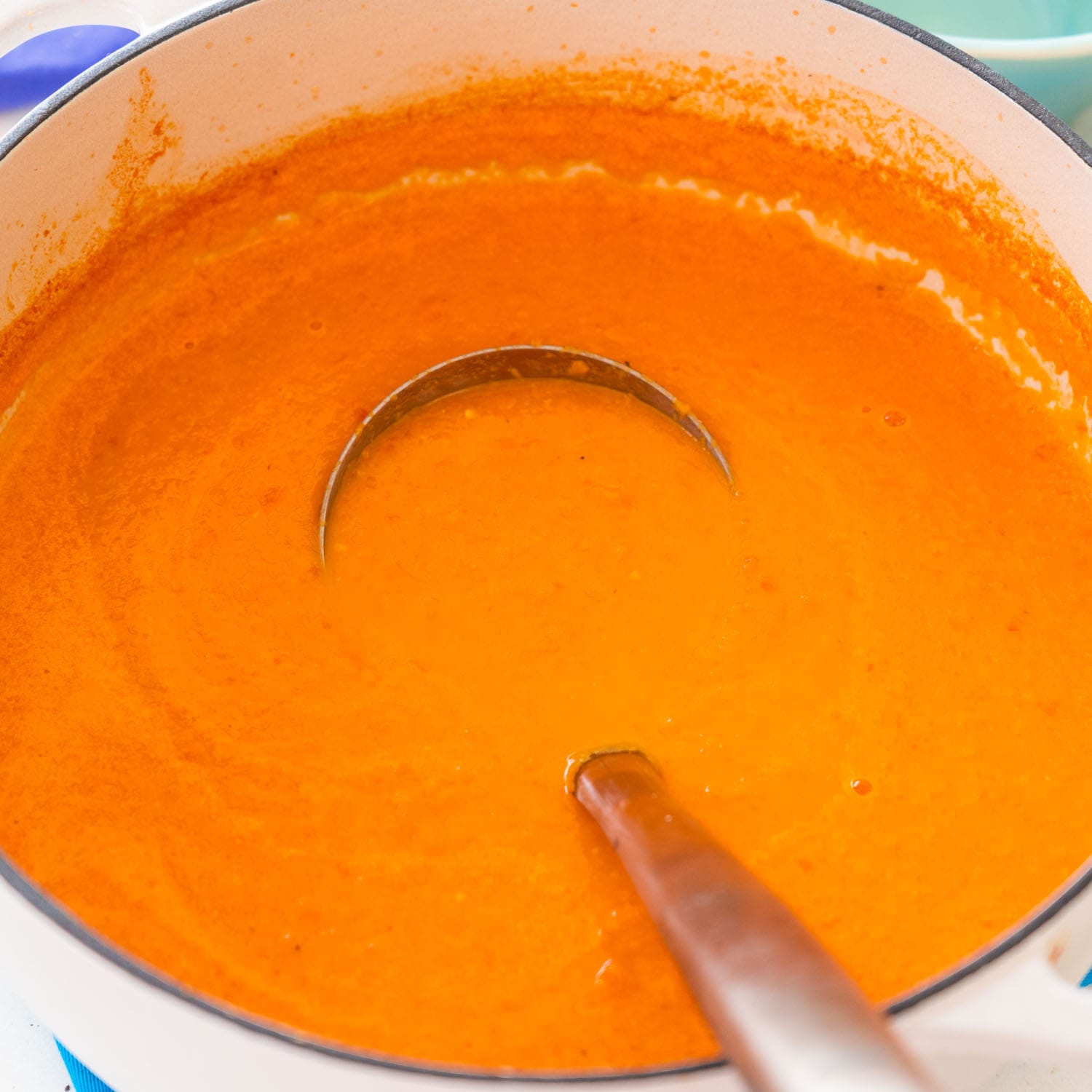
Unlock Flavor: How to Pick Perfect Roma Tomatoes for Soup
There's nothing quite like the comforting warmth of a homemade tomato soup, especially when it boasts a velvety texture and an explosion of fresh, sun-kissed flavor. For many culinary enthusiasts, the secret to achieving this unparalleled experience lies in one humble ingredient: the Roma tomato. Known for its distinct shape and robust character, the Roma is the undisputed champion for creating a rich, smooth, and truly
creamy Roma tomato soup. But simply choosing Romas isn't enough; unlocking their full potential depends entirely on selecting them at their peak of perfection. This guide will walk you through the essential steps to picking the ideal Roma tomatoes, ensuring your next batch of soup is nothing short of extraordinary.
Why Roma Tomatoes Reign Supreme for Soup
Roma tomatoes, often referred to as plum tomatoes, are a favorite among home cooks and professional chefs alike for good reason. Unlike larger, juicier beefsteak varieties or smaller, sweeter cherry tomatoes, Romas offer a unique combination of characteristics perfectly suited for soup making.
Here’s why they stand out:
- Meaty Flesh: Romas boast a thick, dense flesh that contributes significantly to a soup's body and richness. This means less watery product and more concentrated tomato goodness.
- Low Seed Count: With fewer seeds and less watery pulp than many other varieties, Romas require minimal deseding, making your preparation quicker and yielding a smoother final product without excessive straining.
- Vibrant Flavor: When ripe, Roma tomatoes deliver a balanced sweetness with a pleasing underlying acidity, creating a complex flavor profile that forms a magnificent base for any soup.
- Perfect for Roasting: Their robust structure holds up exceptionally well to roasting, a technique often employed to deepen their natural sweetness and add a smoky dimension to your soup.
These attributes make Romas the ideal foundation for a truly
creamy Roma tomato soup, offering a depth of flavor and texture that's hard to beat. To truly elevate your soup, however, understanding how to identify a perfectly ripe Roma is paramount.
The Art of Assessing Ripeness: Your Senses Are Your Best Tools
Selecting a ripe Roma tomato isn't just about guesswork; it's a sensory journey that rewards attention to detail. A tomato that’s too green will introduce a tart, undeveloped flavor, while an overripe one can bring unwanted bitterness and a mushy texture. Here’s how to employ your sight, touch, and smell to find the best:
Color Cues: A Visual Guide to Perfection
The first indicator of a Roma tomato's ripeness is its color. Look for:
- Uniform Deep Red: A perfectly ripe Roma should exhibit a rich, vibrant red hue that extends consistently across its entire surface. There should be no significant green patches, particularly around the stem area. Green indicates the presence of chlorophyll and an unripe state, which translates to a less sweet, more acidic flavor.
- Absence of Blemishes: While a minor imperfection might be overlooked, avoid tomatoes with large bruises, deep cracks, or shriveled skin. These are often signs of deterioration or damage that can affect the flavor and texture of your soup.
A tomato’s color directly correlates with the breakdown of chlorophyll and the development of lycopene (the red pigment) and sugars, signaling peak flavor potential.
The Gentle Squeeze Test: Feeling for Flavor
Once you've visually inspected your Romas, it's time for the tactile assessment. This test should be performed with a light, discerning touch:
- Slight Yield Under Pressure: A ripe Roma tomato should feel slightly soft when gently squeezed, but it shouldn't be mushy or squishy. It should yield just a bit under light pressure, indicating that its flesh is tender and juicy.
- Firmness is Key: Avoid tomatoes that feel rock hard, as these are typically underripe and will lack the desired sweetness and depth of flavor. Conversely, excessively soft or squishy tomatoes are past their prime and may have an undesirable fermented taste or texture.
- Room Temperature Advantage: For the most accurate assessment, choose tomatoes stored at room temperature. Cold tomatoes from refrigeration can feel firmer than they truly are, masking their actual ripeness and flavor profile. If you have refrigerated Romas, let them sit on the counter for a few hours before assessing or using.
This "gentle squeeze" is a crucial step in ensuring your tomatoes contribute a velvety texture to your
Easy Homemade Creamy Roma Tomato Soup: Your Go-To Recipe.
The Aroma Advantage: Sniffing Out Sweetness
Never underestimate the power of your nose when selecting produce. A ripe Roma tomato communicates its readiness through its scent:
- Sweet, Earthy, Floral Fragrance: Bring the tomato close to your nose and sniff the stem end. A perfectly ripe Roma will emit a distinct, fragrant aroma – often described as sweet, earthy, and sometimes with subtle floral notes. This perfume is a direct indicator of the sugars and volatile compounds that will contribute to your soup’s rich, complex flavor.
- Lack of Scent = Lack of Flavor: If a tomato smells bland, faint, or emits no discernible aroma, it’s likely underripe. Such tomatoes will yield a less flavorful soup, lacking the depth and vibrancy you're aiming for. Trust your senses here; they are incredibly accurate barometers of a tomato's internal ripeness and flavor potential.
Beyond the Basics: Advanced Tips for Roma Tomato Selection
While relying on your senses is highly effective, a few extra insights can further refine your selection process:
- Weight for Size: A ripe Roma tomato should feel surprisingly heavy for its size. This density often correlates with higher sugar content and juiciness, signaling a tomato packed with flavor. This concept is loosely related to the Brix scale, which measures sugar content in fruits and vegetables. Ripe Romas typically register between 4.5 and 6.0 on the Brix scale, indicating a good balance of sweetness and acidity. While you won’t have a Brix meter at home, the "heavy for its size" rule is a good proxy.
- Seasonal Savvy: The best Roma tomatoes are typically found during their peak season, which usually runs from late summer to early fall. During this time, they are more likely to be vine-ripened and bursting with flavor. If you find yourself craving a creamy Roma tomato soup outside of peak season, don't despair!
- Canned Alternatives: When fresh Romas are unavailable or subpar, premium canned tomatoes can be an excellent substitute. Look for canned San Marzano tomatoes, a close relative of the Roma, known for their sweet flavor, meaty flesh, and low acidity. Opt for brands labeled "DOP" (Denominazione di Origine Protetta) to ensure authenticity and quality. These are often packed whole, peeled, and are fantastic for building deep flavor in soup.
Remember, selecting the best tomatoes is an investment in the flavor of your dish. Don't rush the process, and don't be afraid to be selective!
Turning Perfect Romas into the Ultimate Creamy Roma Tomato Soup
Once you've gathered your perfectly ripe Roma tomatoes, the journey to a luscious, homemade soup is almost complete. The natural sweetness and rich flavor profile of these ideal Romas mean you won't need to do much to make them shine. Simple ingredients like good olive oil, aromatic onions and garlic, and fresh herbs like basil or thyme are often all that's needed to enhance their inherent deliciousness. Many recipes call for roasting the Romas with these aromatics to deepen their flavor even further, concentrating their sugars and adding a wonderful caramelized note.
After roasting and simmering, a quick blend transforms these ingredients into a smooth, velvety base. The "creamy" aspect often comes from a swirl of heavy cream, half-and-half, or even a dairy-free alternative like coconut milk, added right at the end to achieve that luxurious texture and mellow out the flavors. For an even deeper dive into achieving that perfect consistency and taste, check out our guide on
Creamy Roma Tomato Soup: Secrets for Velvety Richness & Taste. The foundation, however, always begins with the tomato itself.
Conclusion
The humble Roma tomato holds the key to an unparalleled homemade soup experience. By understanding how to select them at their peak—focusing on vibrant color, a slight give to the touch, and a fragrant aroma—you're not just buying tomatoes; you're harvesting potential flavor. Whether you’re a seasoned chef or a home cook exploring new recipes, these practical tips will empower you to choose the very best Romas, guaranteeing a truly satisfying and intensely flavorful
creamy Roma tomato soup that will become a cherished comfort food in your kitchen. So go ahead, trust your senses, and prepare to unlock a world of deliciousness!